Walk through Chepstow today and you are following in the footsteps of centuries of townsfolk, traders and travellers. But ever wonder why our streets and the town itself are called what they are? Chepstow’s names are not just labels; they are snapshots of its evolution from a thriving border market to the ancient entry to Wales.
Chepstow: A Market Place Through Time
The name Chepstow itself is a good place to begin. It is widely believed to come from the Old English ceap stowe, meaning “market place” or “trading centre”. This is no accident, as a border town, Chepstow has long relied on its location to gather shoppers and traders from both sides of the River Wye. The legacy of market trading is woven into the name, underlining the central role of commerce in shaping the life and fortunes of the town over the centuries. (Wikipedia)
Cas-gwent: The Castle at the Heart
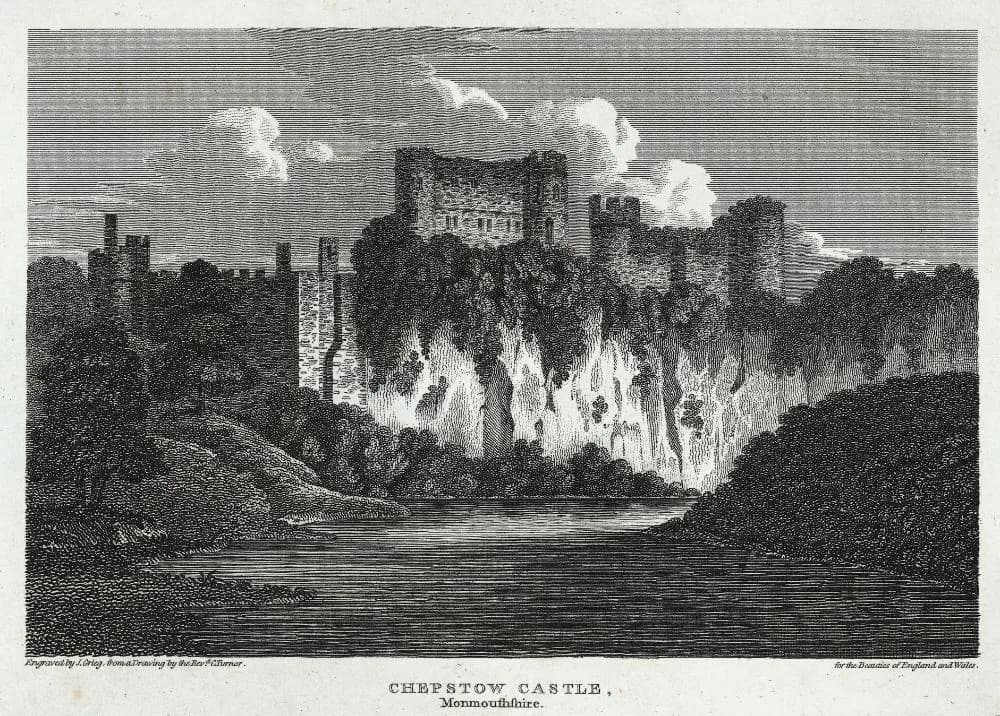
Chepstow’s Welsh name, Cas-gwent, points firmly toward another pillar of local identity: the Norman-built Chepstow Castle. The castle, standing guard over the Wye and the ancient road into Wales, gave not just power but permanence to the town. “Castle of Gwent” ties Chepstow both to the fortifications and to Gwent, the historical region that has anchored much of south-east Wales.
Medieval Streets: From Castle to Priory
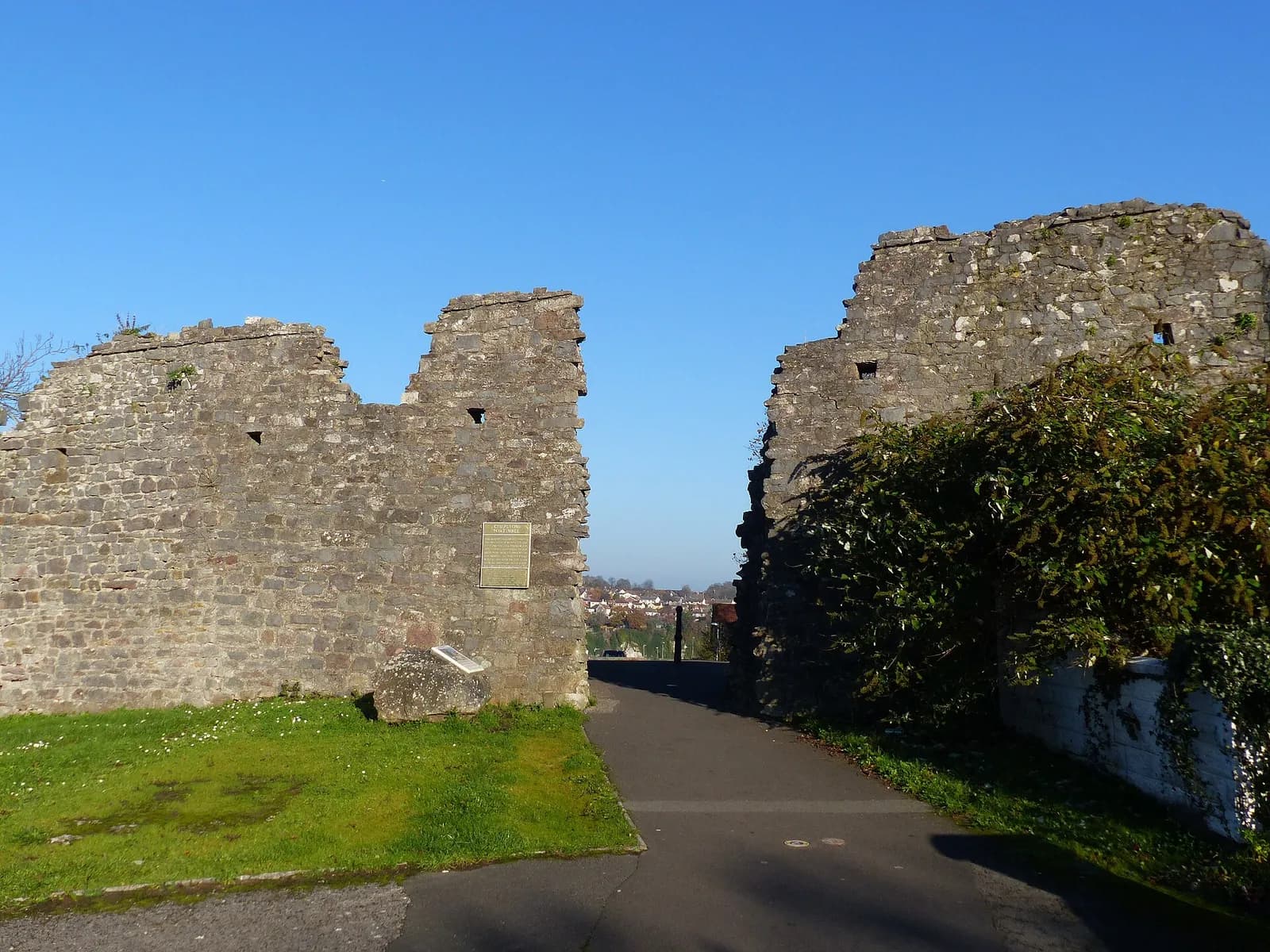
The way the town’s core developed is still visible in its street layout. From early days, movement between castle and priory was crucial. Upper Church Street is thought to trace one of these original routes, with Hocker Hill Street, St Mary Street, Nelson Street and Church Street together forming an old-town grid. Each street marks not just a path but an era, shaped by religious, social and economic needs.
Steep Street: A Changing Road
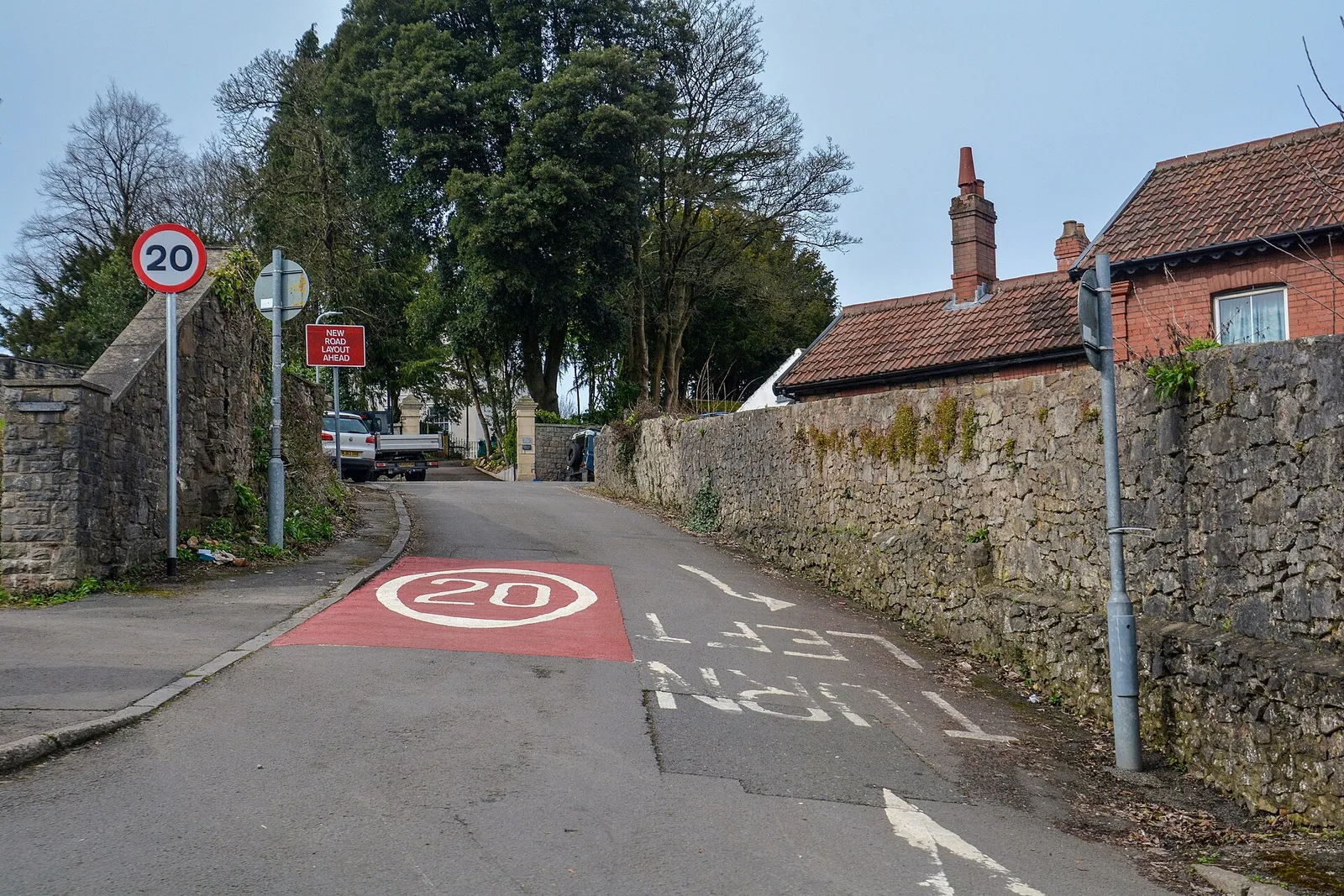
Steep Street tells its own story about adaptation and continuity in Chepstow. Once known as Back Hill, it was the main road to Newport until 1832, when it took on its current, more descriptive name. Its name today, like the sharp incline itself, is a constant reminder of the geography and function that helped define the town’s growth and connections beyond its walls.
Where Place Meets History
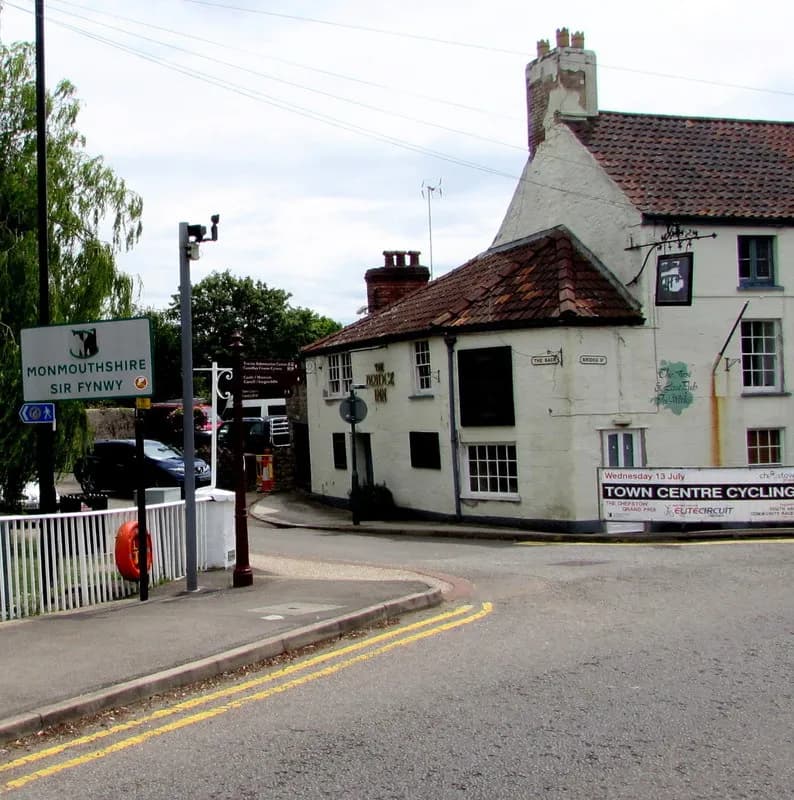
Chepstow’s street names and place-names are more than just part of the scenery. They track the town’s emergence as “the gateway to Wales”, a reputation that has followed it from Norman times to the present day. Whether shopping along St Mary Street, exploring the castle, or simply reading a signpost, visitors connect with layers of local history and the generations who gave Chepstow its unique character. (Visit Monmouthshire)