A Norman Stronghold on the Wye
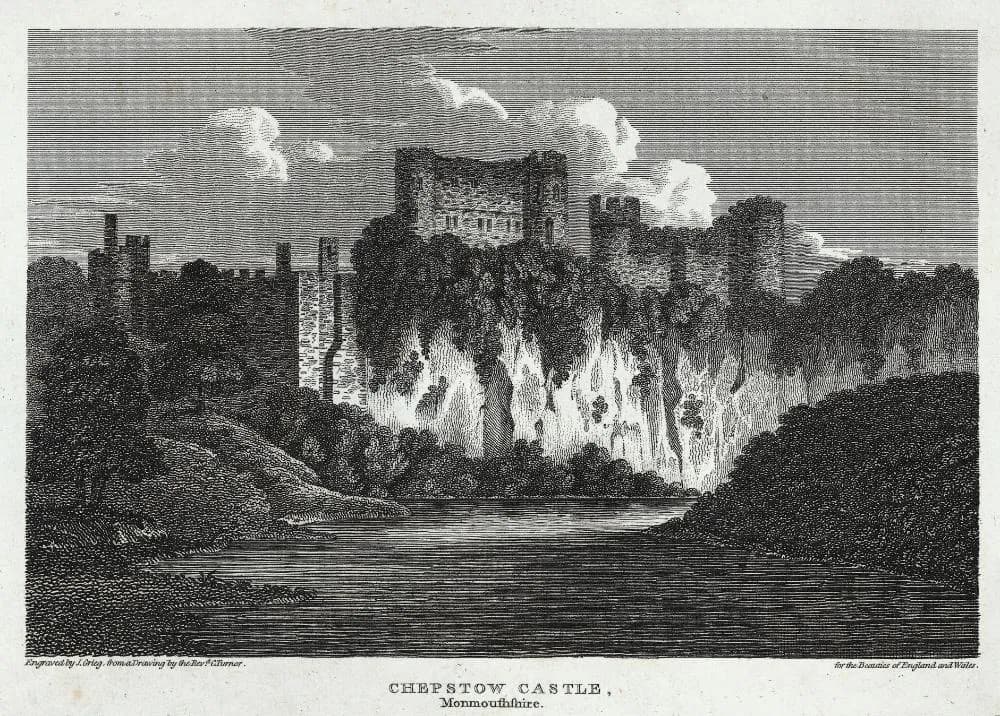
Chepstow Castle is widely recognised as the oldest surviving post-Roman stone fortification in Britain. Construction began in 1067 on the orders of William FitzOsbern, a close ally of William the Conqueror, establishing a strategic foothold on the River Wye within months of the Norman invasion.
The castle was originally known as Striguil, a name derived from the Welsh ystraigl, meaning "river bend." Its position on a limestone cliff above the Wye gave its builders natural defensive advantages and control over an important inland waterway linking Monmouth and Hereford.
The Great Tower and Early Stone Design
The Great Tower, begun in 1067, is the oldest surviving stone keep in Britain. Its construction so soon after the Conquest makes Chepstow exceptional among Norman castles, most of which were initially built from earth and timber. The tower’s design exploited the cliff edge, creating a fortress that was difficult to assault from the river below.
Dendrochronology has dated the wood used in the castle’s gatehouse doors to between 1159 and 1189, offering a rare precise snapshot of medieval building activity on the site.
Expansion Under the Marshals and Bigods
In the 1190s, William Marshal, Earl of Pembroke, undertook a major programme of expansion and modernisation. He added the main gatehouse and strengthened the Middle Bailey with round towers, transforming the castle into a more sophisticated defensive complex fit for a leading magnate of the realm.
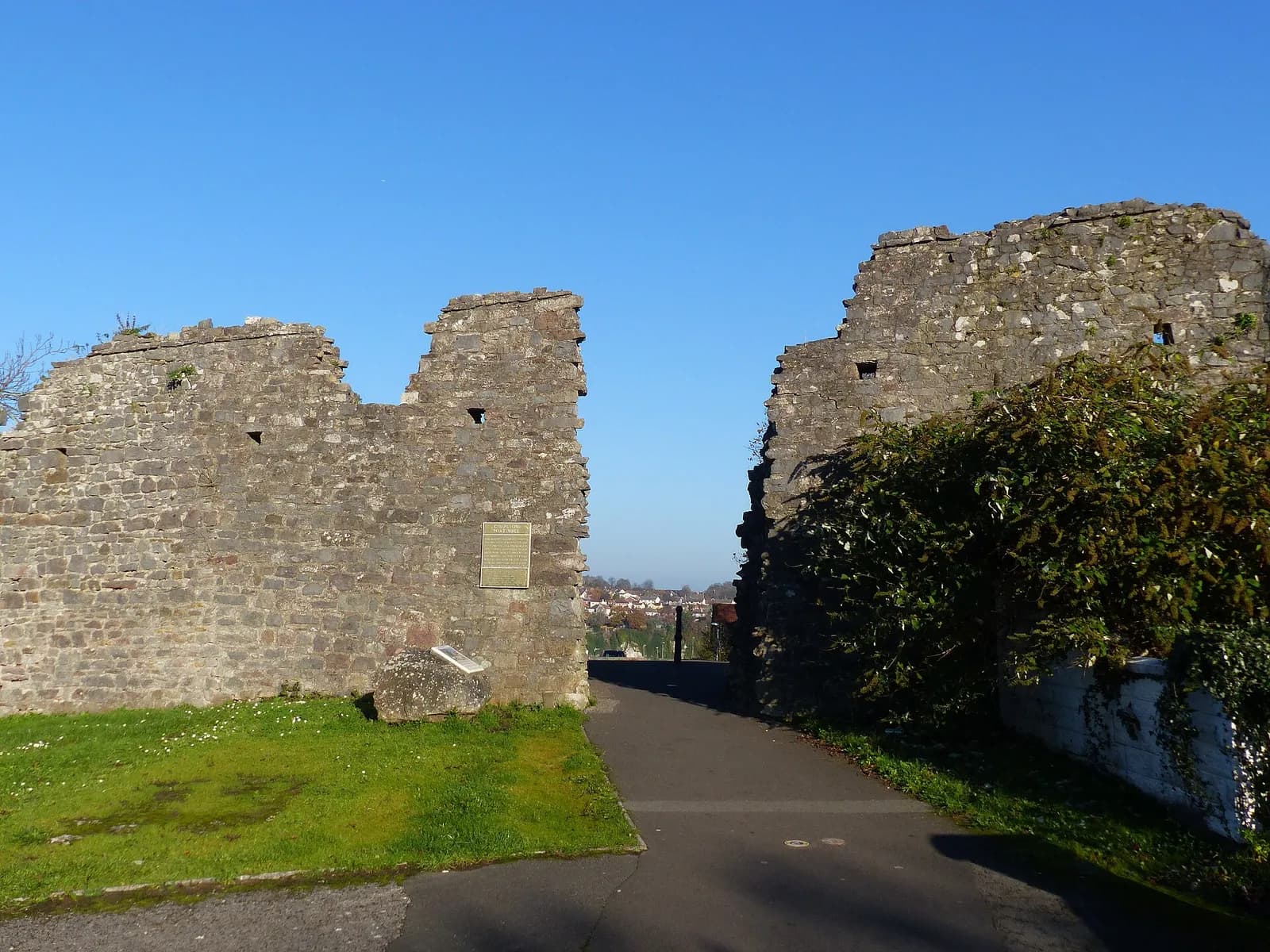
Roger Bigod, 5th Earl of Norfolk, inherited the castle in 1270 and continued its development. He built a new range of domestic buildings in the Lower Bailey and added the substantial Marten's Tower. Around 1274 to 1278, he also constructed the Port Wall, which enclosed the growing town of Chepstow and linked its fortunes directly to the castle’s presence.
Siege, Prison, and Decline
The castle saw active service during the English Civil War, holding out as a Royalist stronghold. It was besieged in both 1645 and 1648, finally falling to Parliamentarian forces on 25 May 1648. In the decades that followed, the castle served as an artillery fort, barracks, and political prison. Among its notable inmates was Henry Marten, a signatory of Charles I’s death warrant, whose name is now attached to the tower Bigod built.
The garrison was disbanded in 1685. The buildings were partly dismantled and allowed to decay, eventually becoming a ruin that featured on the "Wye tour," a popular route for travellers seeking Picturesque scenery.
The Castle and the Town Today
Since 1984, Chepstow Castle has been in the care of Cadw, the Welsh government’s historic environment service. It remains one of the most significant medieval monuments in Wales and anchors the western end of the Wye Valley, an Area of Outstanding Natural Beauty. The castle’s relationship with the River Wye, the Port Wall, and the town bridge continues to define Chepstow’s historic core, drawing visitors who follow the same river bend that gave the fortress its original name nearly a thousand years ago.