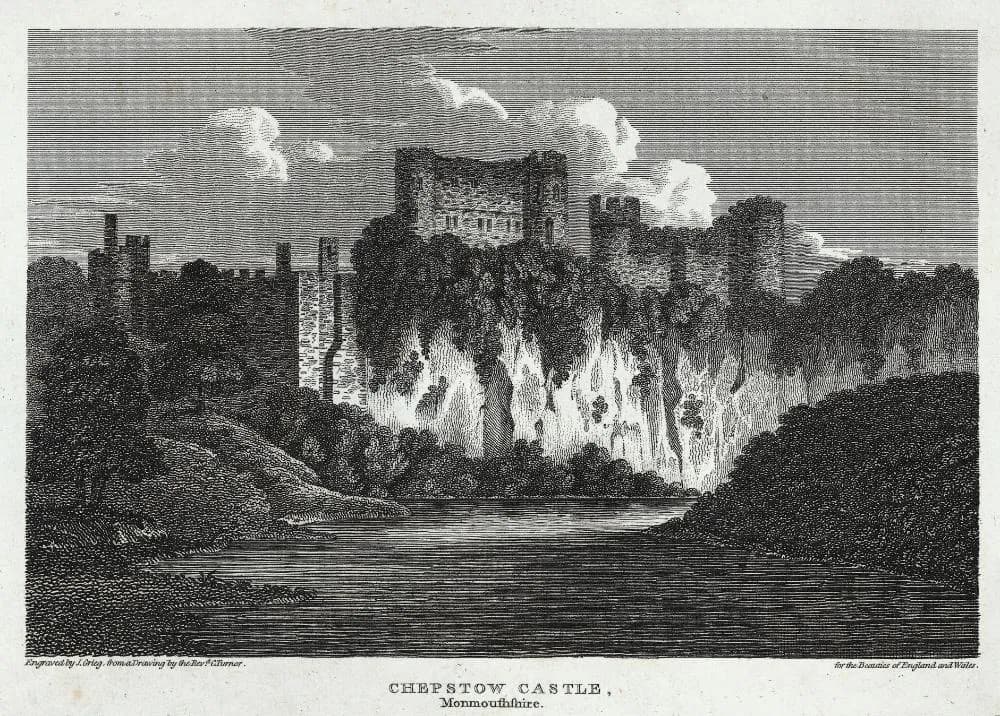
Nathaniel Wells arrived in Chepstow in 1802 as the wealthiest man of colour in Georgian Britain. Over the following five decades, he transformed a neoclassical estate into a symbol of social ascent whilst breaking multiple barriers in British public life.
From Saint Kitts to Monmouthshire
Wells was born on 10 September 1779 on the island of Saint Kitts in the British West Indies. His father, William Wells, was a Welshman from Cardiff who had established himself as a slave trader and planter, owning three sugar plantations on the island. His mother, Juggy, was an enslaved house servant who later gained manumission as Joardine Wells.
At the age of ten, Wells was sent to London for his education, remaining under the care of an uncle until he turned twenty-one. The death of his father in 1794, when Wells was just fifteen, brought him an inheritance of approximately £120,000 together with the three sugar plantations. By 1801, his property was valued at an estimated £200,000, an astronomical sum for the period.
The Purchase of Piercefield House
In 1802, Wells acquired Piercefield House from Colonel Mark Wood for £90,000, reportedly agreed upon over dinner. The estate, situated roughly 1.5 miles north of Chepstow near St Arvans, comprised nearly 3,000 acres of Monmouthshire countryside. The central block had been constructed between 1792 and 1799 to designs by Sir John Soane or George Vaughan Maddox, with pavilions by Joseph Bonomi the Elder.
Wells expanded the estate significantly and became a prominent figure in local affairs. He was appointed churchwarden of St Arvans Church in 1804, a position he held for forty years until 1843. Alongside the Duke of Beaufort, he paid for the distinctive octagonal tower added to the church in 1820.
Breaking Barriers in Public Office
Wells secured a series of appointments that made him the first Black person to hold several positions in British history. He became a Justice of the Peace in 1806, making him the first Black JP in Britain. On 24 January 1818, the Prince Regent appointed him Sheriff of Monmouthshire, rendering him the first Black sheriff in Britain.
His military service further broke new ground. On 20 June 1820, Wells received a commission as Lieutenant in the Chepstow Troop of Yeomanry Cavalry, becoming only the second Black person to hold a British military officer commission. He saw action against striking coal-miners and iron workers in South Wales in May 1822, though he resigned his commission on 7 August of that same year.
Life at Piercefield
Wells' status drew both admiration and comment. The landscape painter Joseph Farington recorded in 1803 that "Mr Wells is a West Indian of large fortune, a man of very gentlemanly manners, but so much a man of colour as to be little removed from a Negro." Despite such observations, Wells integrated fully into Monmouthshire society. He served on the committee of the Chepstow Hunt in 1832 and was appointed Deputy Lieutenant of the county.
Samuel Lewis, writing in his Topographical Dictionary of England in 1848, described Piercefield as "a splendid seat, the views are remarkably magnificent, and embrace numerous reaches of the Wye, the Severn, and a great range of the surrounding country."
A Complex Legacy
Wells' story contains profound contradictions. A man of mixed-race heritage born to an enslaved mother owned sugar plantations and enslaved people himself. When the Slavery Abolition Act took effect in 1833, he received £1,400 9s 7d in compensation from the British government for the loss of 86 enslaved individuals on Saint Kitts.
Contemporary abolitionists criticised him for excessive punishment of those held in bondage on his estates. Wells managed his Caribbean holdings as an absentee owner, delegating operations to overseers whilst residing at Piercefield.
He married twice and fathered twenty-two children. His first marriage, on 9 June 1801, was to Harriet Este, daughter of Charles Este, chaplain to King George II. After her death in 1820, he married Esther Owen on 30 January 1823.
Decline and Death
By 1825, dry rot had taken hold at Piercefield, and Wells attempted to sell the estate without success. He finally sold the property to John Russell in 1850. Wells died on 13 May 1852 at 9 Park Street, Lansdown, Bath, aged seventy-two. His estate was valued at approximately £100,000.
A memorial tablet at St Arvans Church records his passing: "Sacred to the memory of Nathaniel Wells of Piercefield, Esq, a Magistrate and Deputy Lieutenant of the county of Monmouth, who died at Bath May 13th, 1852, aged 72 years." The inscription makes no mention of his origins or slave ownership.
Piercefield Today
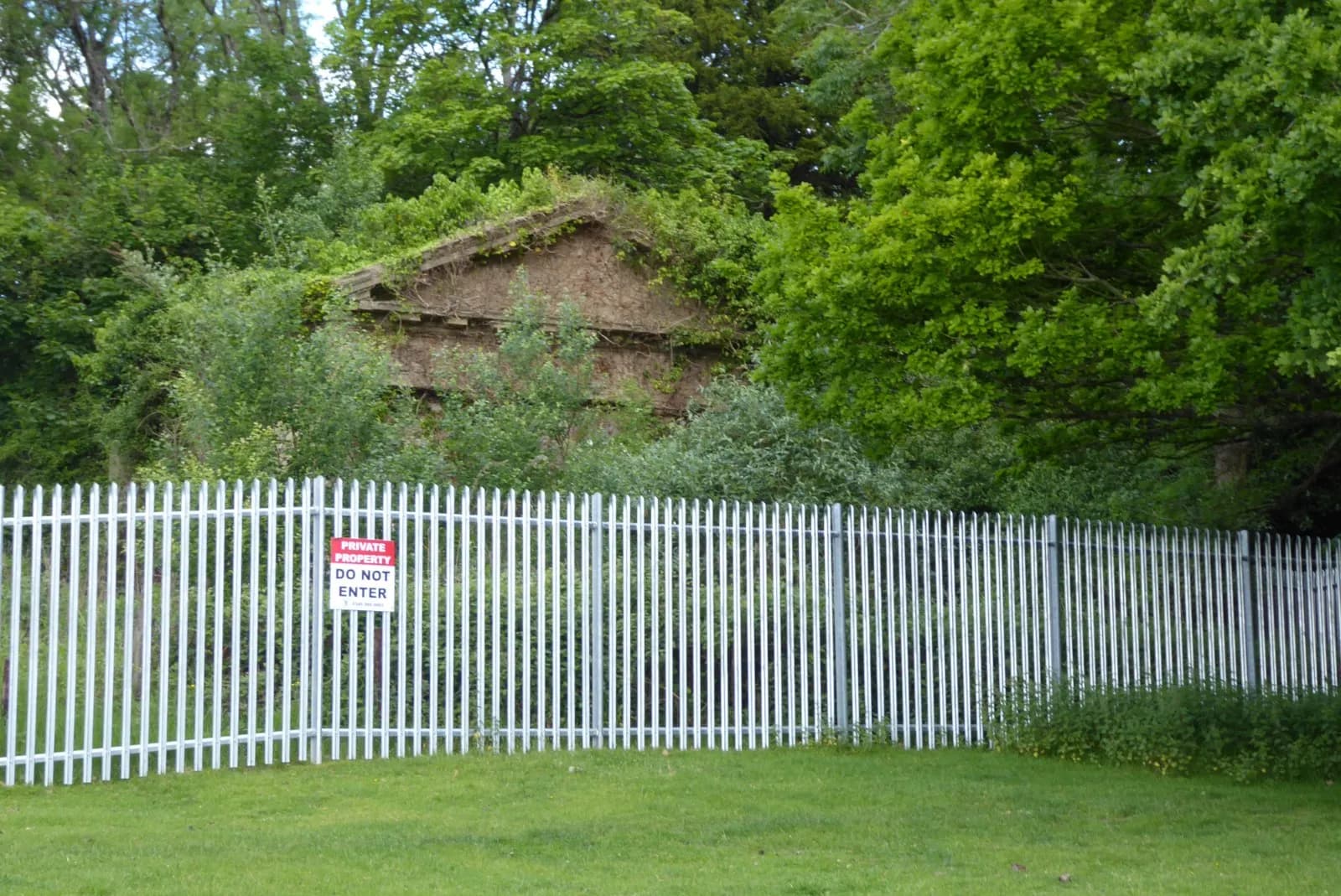
Piercefield House stands as a Grade II* listed ruin, its neoclassical grandeur now collapsed into partial decay. The estate grounds have become home to Chepstow Racecourse. What remains of the mansion that Wells purchased as a statement of his remarkable social ascent continues to attract visitors and historians, a physical reminder of a man who carved out a place in British history despite the empire that both created his fortune and constrained his freedom.